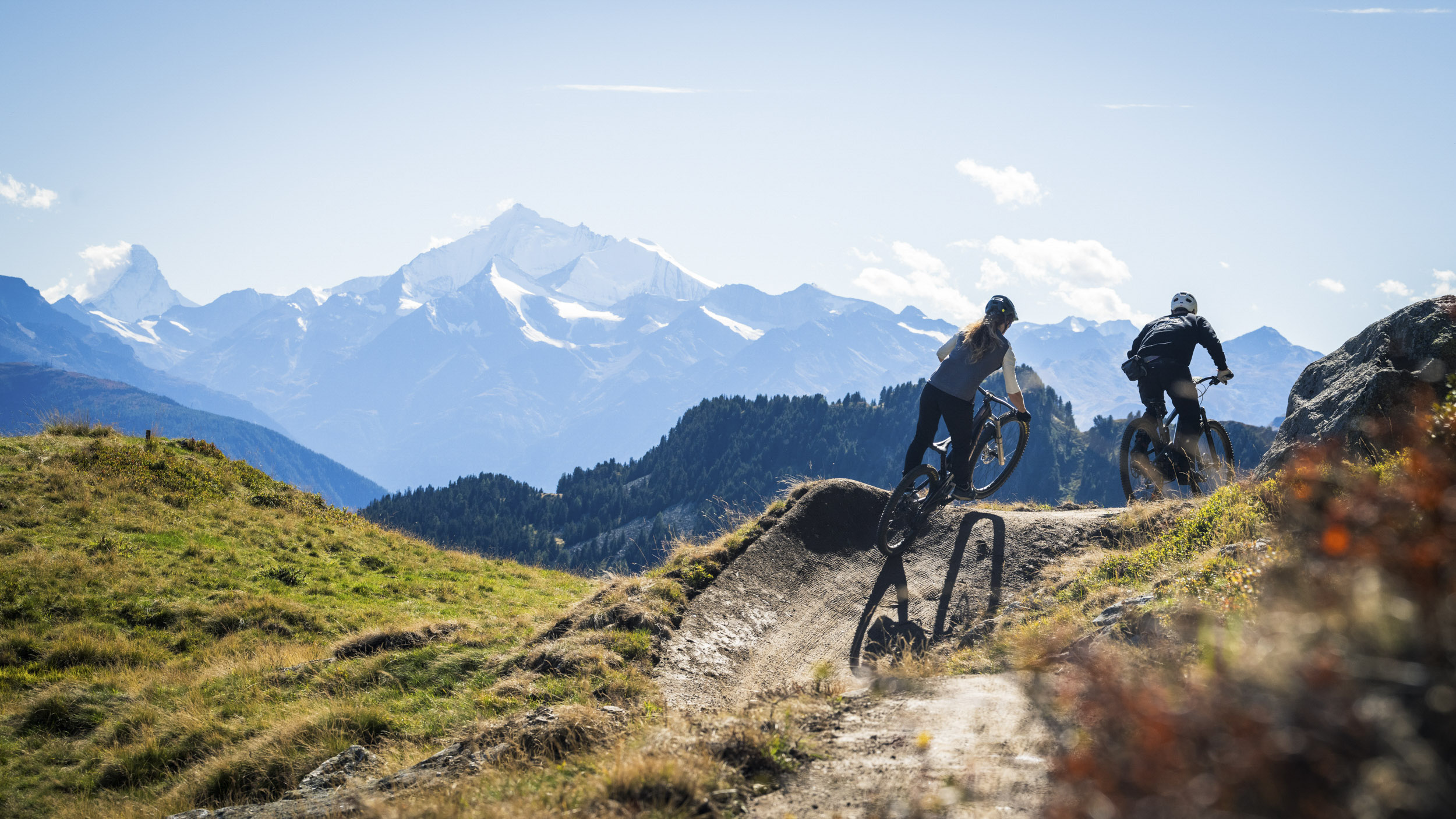
In an interview, wildlife biologist Sascha Wellig says that disturbances are particularly critical for wildlife during the breeding season in the spring and in the winter. He therefore advises cyclists to respect the animals’ needs and to stick to the official bike trails.
What kind of environment do wild animals need in a tourist destination like the Aletsch Arena to thrive?
Due to its natural characteristics, the Aletsch Arena offers ideal habitats for wildlife. It is important to preserve and adequately protect the habitats preferred by wildlife. In addition, the animals need the necessary peace and security in their habitats—that is, protection from excessive disturbance by humans.
To what extent do mountain bikers actually impact wildlife—compared to hikers, dogs, or other recreational activities? Mountain bikers can disturb wildlife, but they are not necessarily more disruptive than hikers or other recreational users. The key factors are speed, distance, noise, time of day, frequency, and whether riders stray from the trails.

Wildbiologe Sascha Wellig. Bild: zVg
What specifically happens to a wild animal when it is surprised or startled by a mountain biker?
When wild animals are disturbed, they usually react by fleeing. This puts them in a stressful situation and causes them to expend energy. Depending on the situation, this can interrupt their feeding.
Has the approach to recreational use and wildlife changed in recent years?
Especially during the COVID-19 pandemic, there was a noticeable increase in outdoor recreational activities. This trend continues. Thanks to tourism marketing, mountain biking in particular has gained enormous popularity. At the same time, efforts are being made to better guide recreational users and promote awareness of the need to respect nature.
Why might a trail in a certain area be off-limits to riders?
Restrictions on use are particularly appropriate when wildlife lives along the trail or when there are especially sensitive habitats that need to be protected.
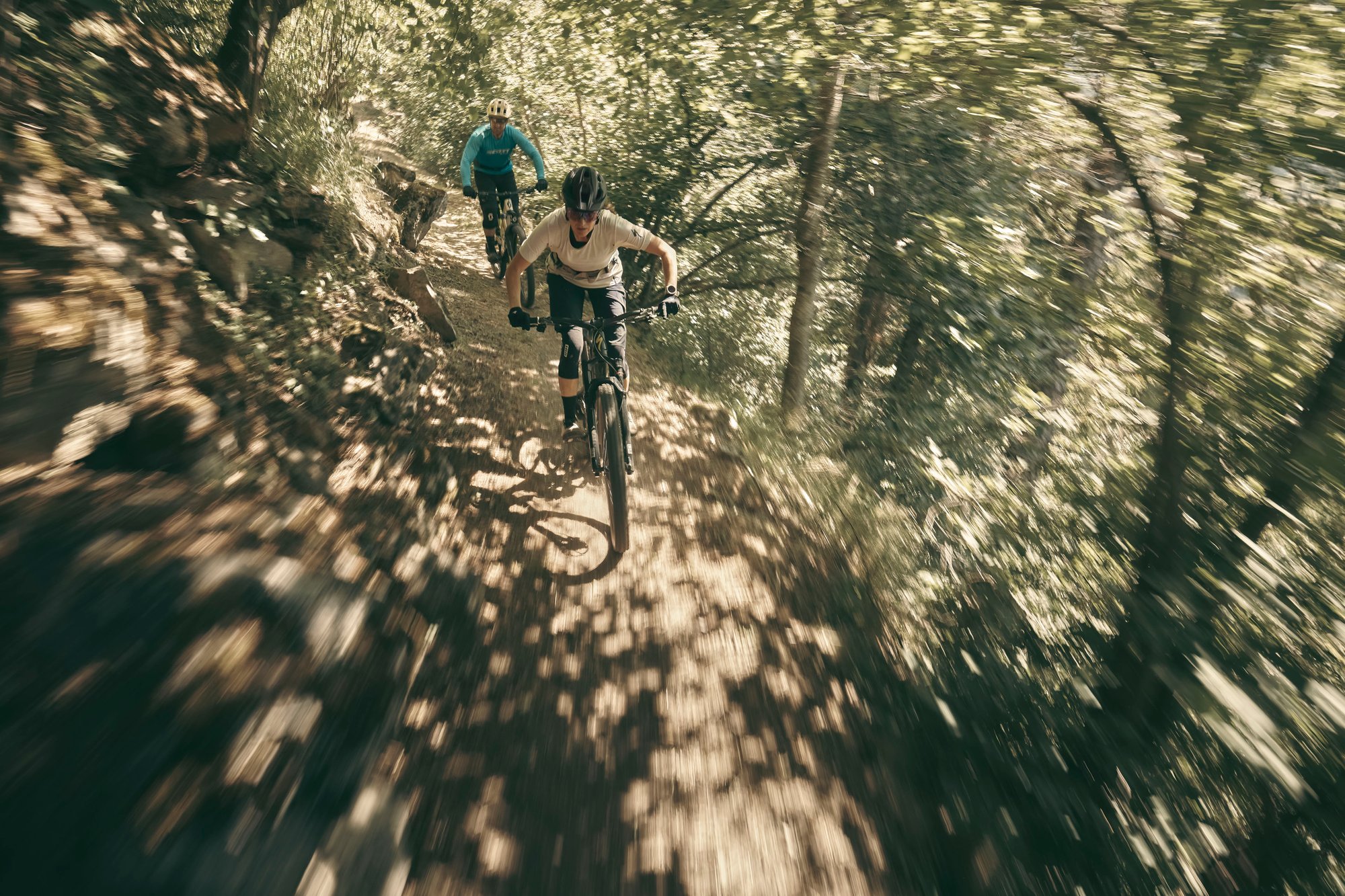
Fahren Biker auf dem Trail, haben die Wildtiere ihre Ruhe. Bild: Simon Ricklin
Are there specific times of day or seasons when disturbances are particularly problematic?
As a general rule for all wildlife and birds, disturbances are particularly critical during the breeding or nesting season in the spring, during mating seasons (which vary by species), and during the winter. Some animals are also more sensitive than others.
What about during hunting season?
Hunting is a significant source of disturbance for wildlife. It is therefore important that the hunting system also takes wildlife protection into account. This includes, for example, the designation of no-hunting zones where animals remain protected from hunting. In Valais, hunting is also conducted intensively over a short period, which has the advantage that wildlife is not disturbed by hunting year-round and, in particular, not during critical times of the day or year.
How can we strike the right balance between an attractive mountain biking experience and the protection of sensitive habitats?
Among other things, hunting legislation aims to preserve biodiversity and the habitats of native and migratory wild mammals and birds, as well as to protect endangered species. It is important that the planning of bike trails takes these aspects into account. It is therefore beneficial for the various stakeholders to meet early on to align their mutual interests and expectations.
Does it make a difference whether cyclists stay on official trails or ride on unofficial ones?
Official trails have undergone an approval process designed to guide cyclists. An effective visitor management system is important for channeling human activities and ensuring that wildlife nearby has the peace and quiet it needs.
What should a rider do if a roe deer, red deer, chamois, or another wild animal suddenly appears on the trail?
You should remain calm and wait until the animal has moved off the trail. Under no circumstances should you ride after the wildlife.
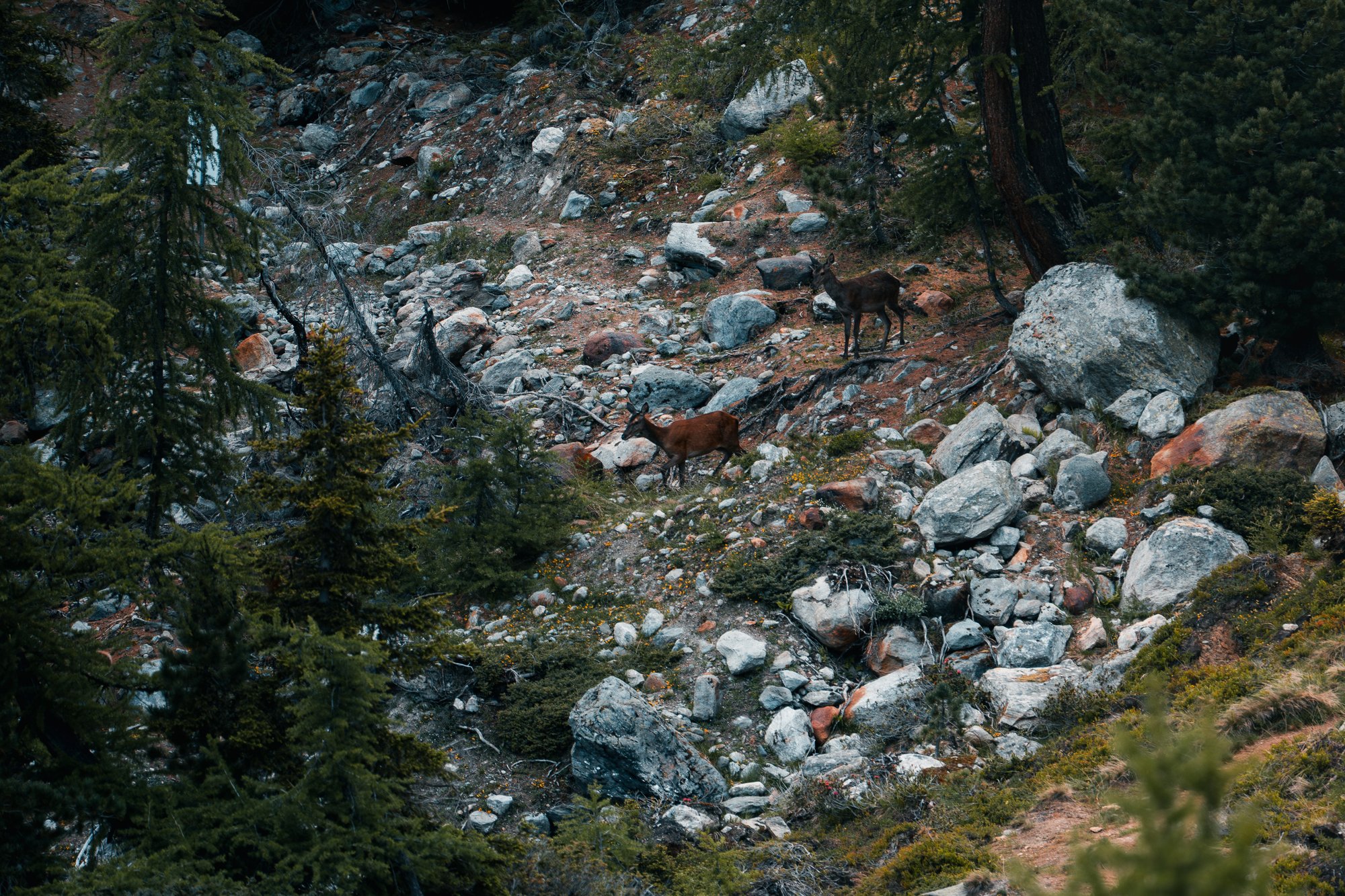
Wildtiere im Aletschwald. Bild: Nico Brenner
What specific steps can cyclists take to ensure that biking and wildlife coexist harmoniously?
It’s important for cyclists to check in advance which trails are approved and whether any seasonal or time-of-day restrictions apply. In federal hunting reserves, for example, biking on hiking trails is prohibited year-round unless those trails have been approved as bike trails by the canton of Valais. Additionally, remote areas where wildlife is present should not be ridden at night.
What three rules of conduct would you give to every mountain biker?
-
Stick to the approved bike trails
-
Find out in advance about any restrictions, closures, or prohibitions related to wildlife protection
-
Respect the sensitive periods for wildlife.
Do you ride a bike yourself in your free time?
Yes, every now and then—unfortunately, I don’t have much time for it.
What would an ideal coexistence between wildlife and mountain bikers look like to you?
The key is for people to understand and be reasonable—that mountain biking doesn’t have to happen everywhere and all the time, but rather in places and to an extent that sufficiently respects the needs of wildlife.
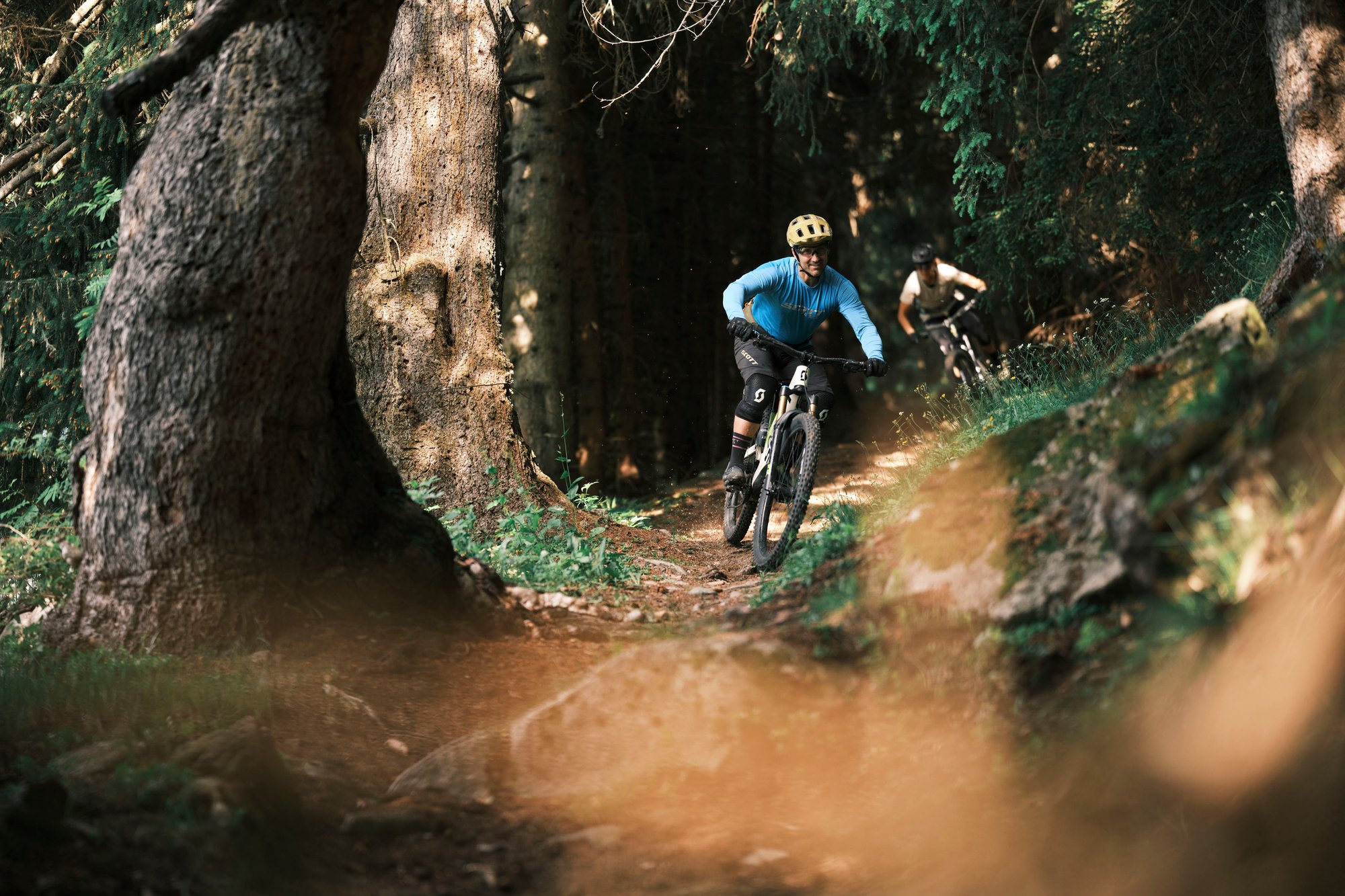
Für Mountainbiker gilt, die sensiblen Zeiten der Wildtiere zu respektieren. Bild. Simon Ricklin


Schreibe einen Kommentar